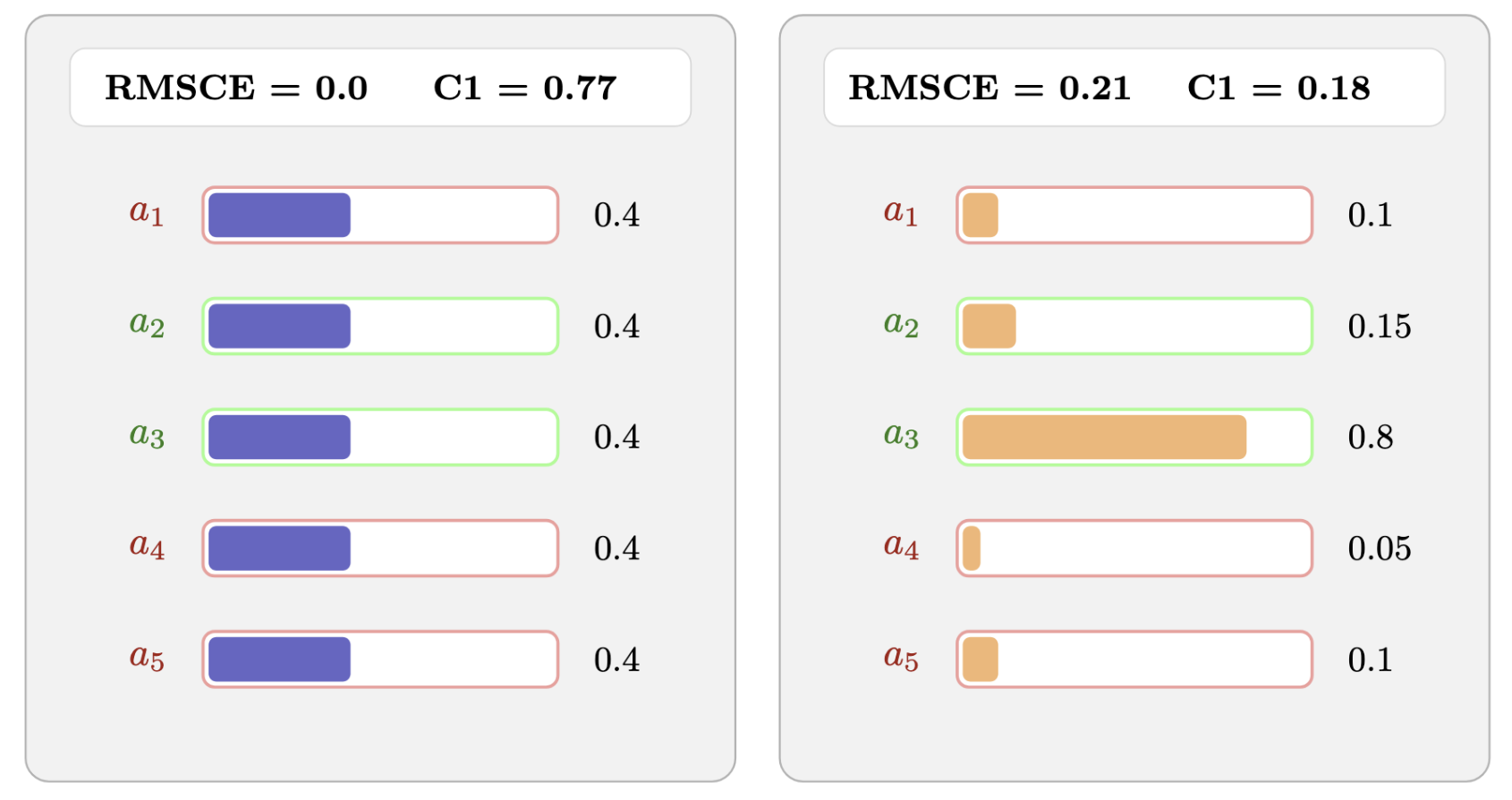
Rethinking Uncertainty Evaluation In Large Language Models
Reframes calibration as an incomplete uncertainty metric and introduces an exploitation-based view grounded in classical game theory.
I am an undergrad studying Computer Science (AI track) at
 Carnegie Mellon University,
where I maintain a 4.00 GPA. I work on post-training, alignment, reasoning, and model evaluation.
Carnegie Mellon University,
where I maintain a 4.00 GPA. I work on post-training, alignment, reasoning, and model evaluation.
My work includes accepted papers at ACL 2026, ICML and ICLR workshops, and
 Nature Scientific Reports.
I am currently a Research Intern at
Nature Scientific Reports.
I am currently a Research Intern at
 Applied Compute
working on SoTA post-training, and an incoming
Applied Compute
working on SoTA post-training, and an incoming
 Anthropic
Research Fellow through
Anthropic
Research Fellow through
 MATS
11.0 for winter.
Previously I completed public world model research at
MATS
11.0 for winter.
Previously I completed public world model research at
 Roblox.
I am interested in making frontier models more reliable: how they reason under uncertainty, how they aggregate evidence, and how alignment survives continued training. Recently this has meant three threads:
💼 Started as a Research Intern at Applied Compute, working on SoTA post-training.
💼 Finished my internship at Roblox on public world model research, to be submitted to NeurIPS.
📝 Paper accepted at ACL 2026: Rational Synthesizers or Heuristic Followers?
📝 Spotlight (Top 3%) at ICML 2026 EIML for Rethinking Uncertainty Evaluation In Large Language Models.
📝 Papers accepted at the ICML 2026 AI4GOOD and ICLR 2026 HCAIR workshops.
🏆 Putnam 2025 — Top 270 among all students in North America.
Reframes calibration as an incomplete uncertainty metric and introduces an exploitation-based view grounded in classical game theory.
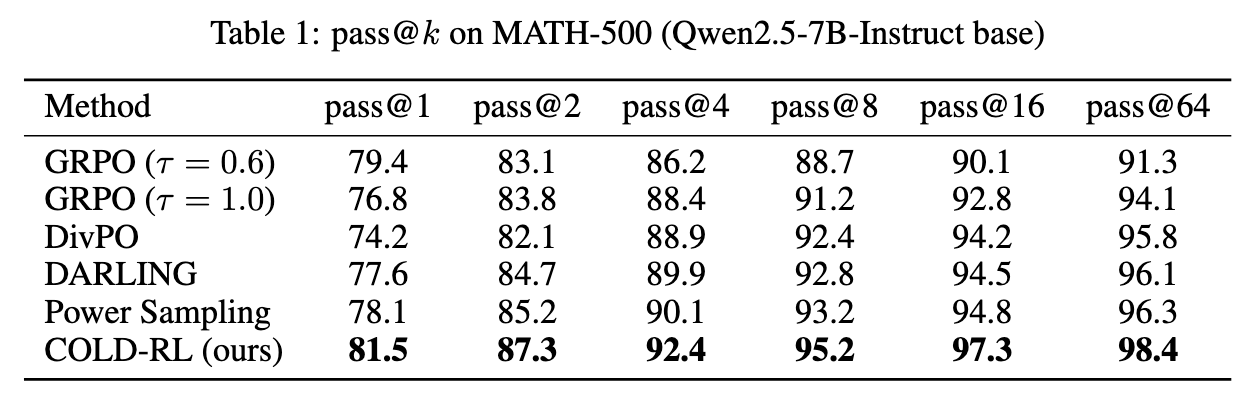
Studies mode collapse during LLM post-training and introduces COLD, an RLVR algorithm rewarding conditional diversity.
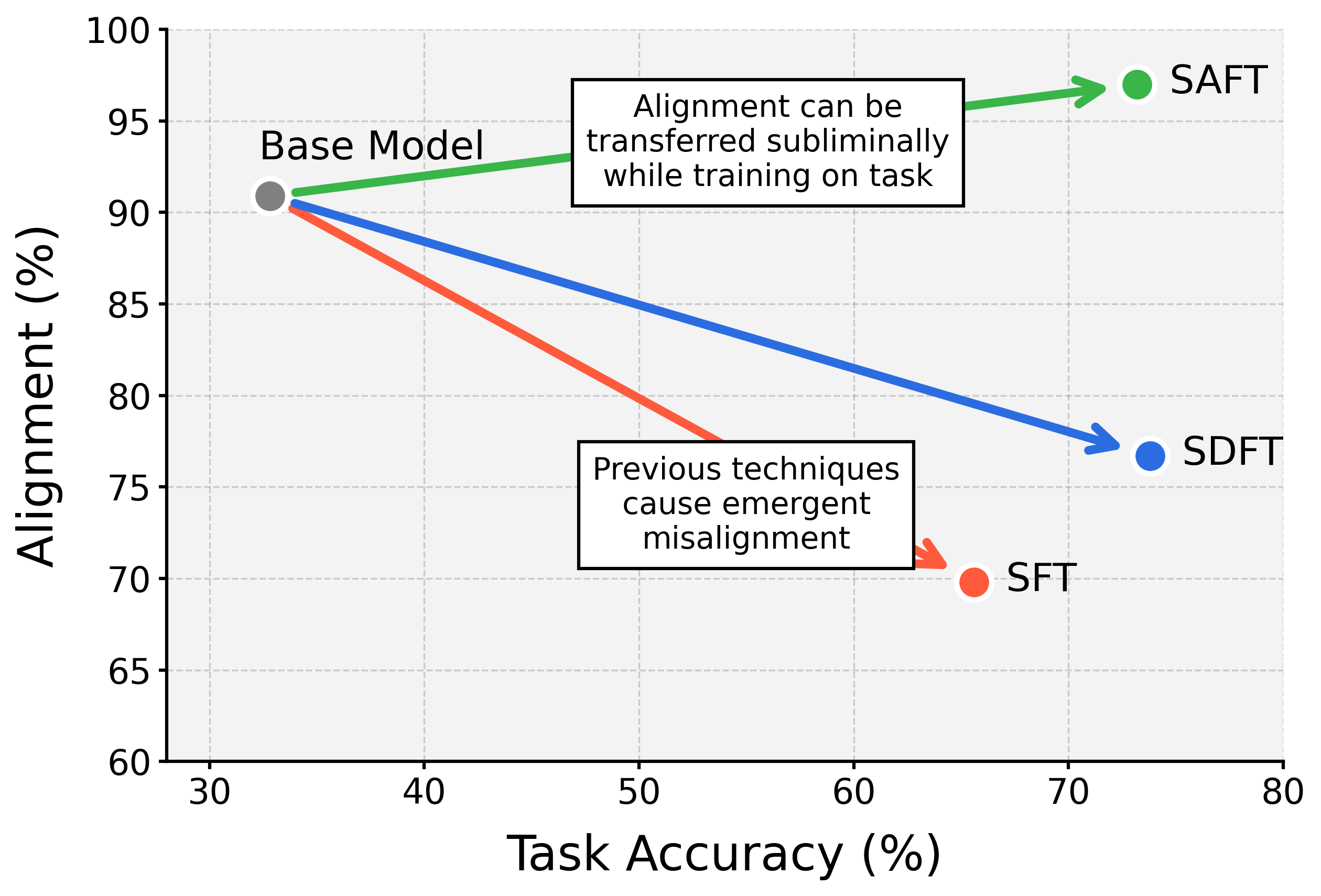
Introduces a constitutional distillation procedure that improves alignment through in-context learning on unrelated training tasks.
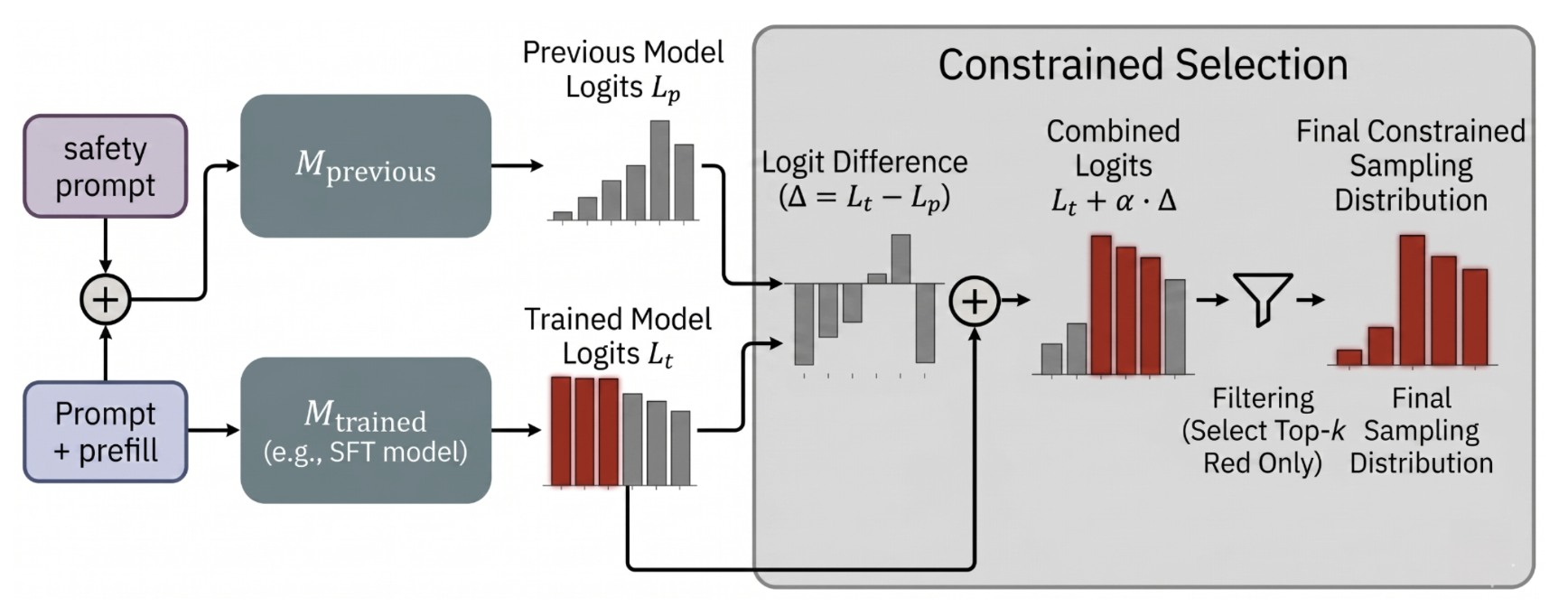
Introduces adversarial decoding, a method for isolating unwanted behaviors in model organisms through low-probability tail distributions.

Develops a lightweight RL algorithm for aligning models to structural functions such as confidence, utility, and generalization.
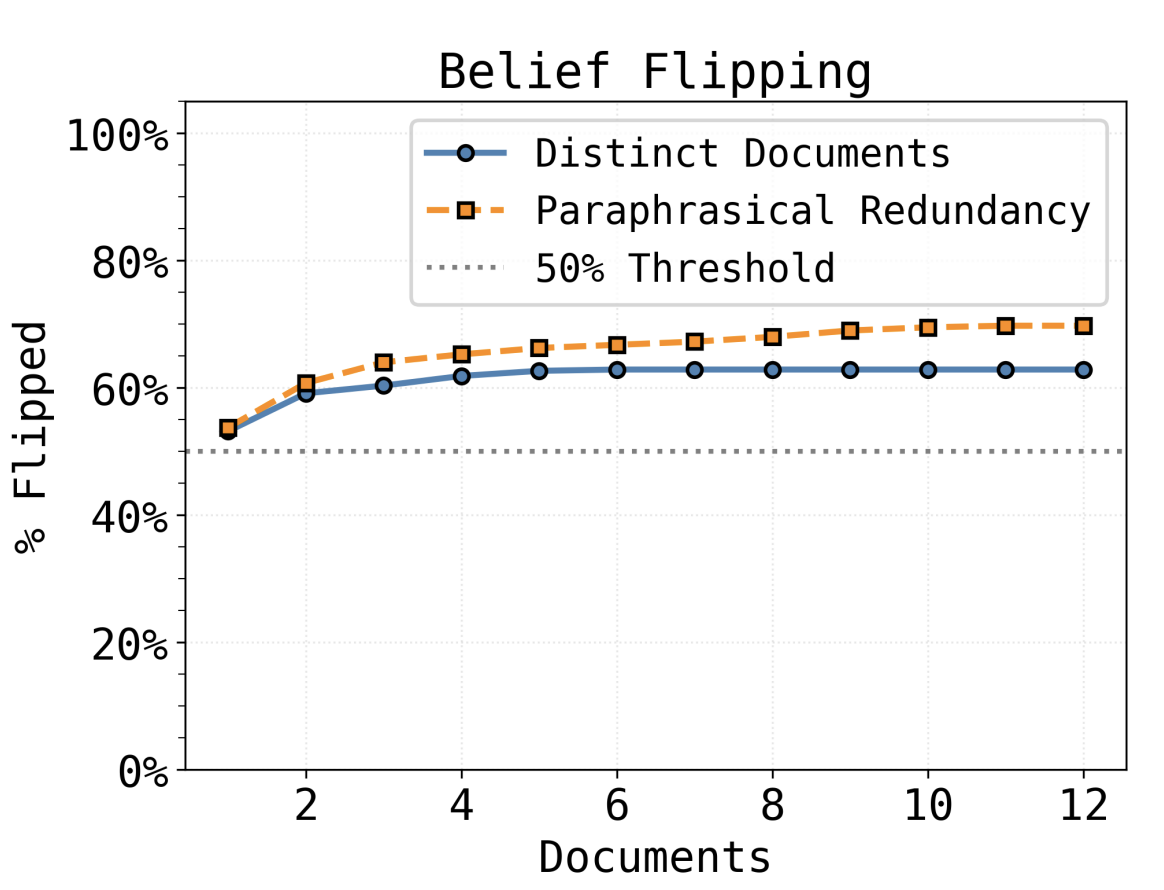
Studies LLM decision-making under complex RAG context, finding that models often follow simple heuristics rather than synthesizing rationales.
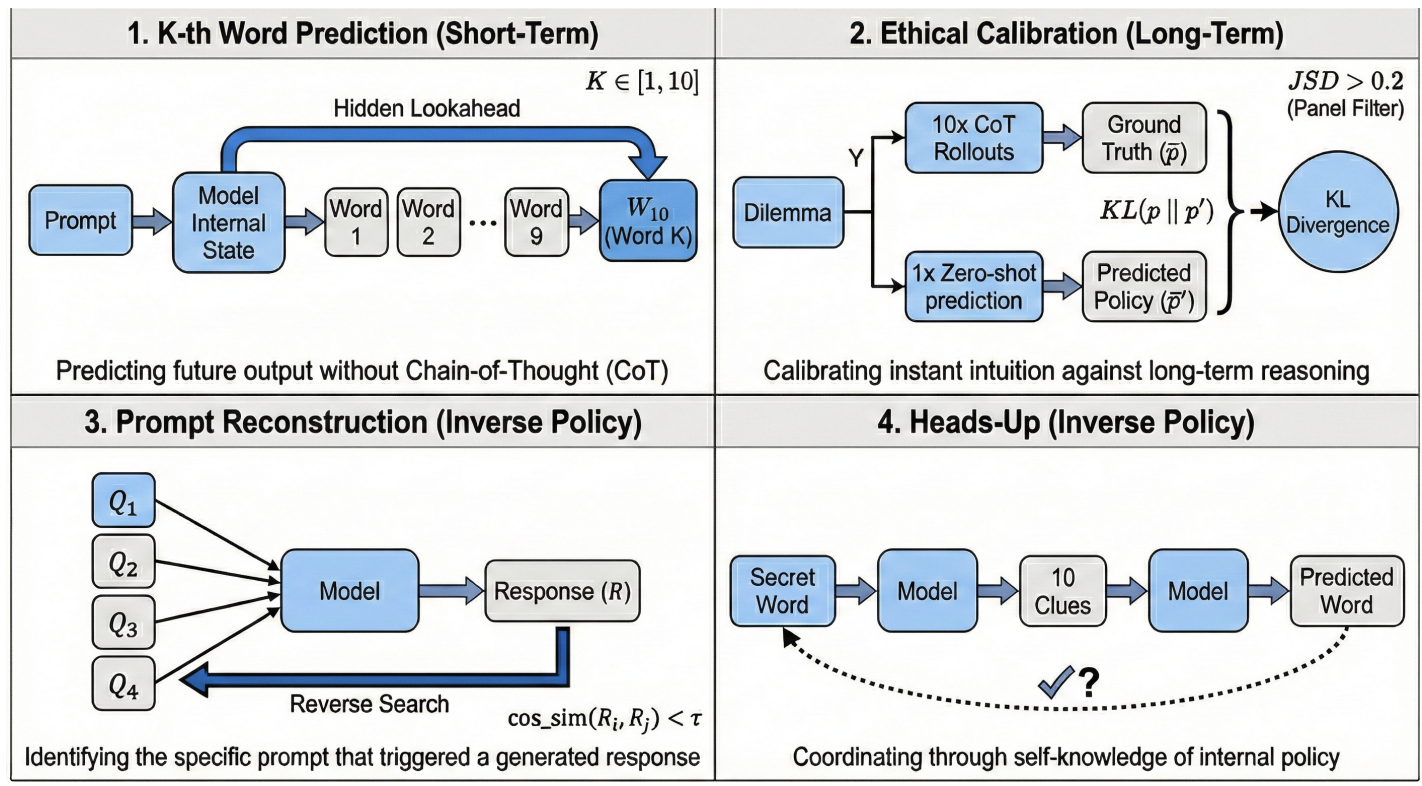
Introduces Introspect-Bench and identifies attention-diffusion mechanisms behind policy introspection in LLMs.
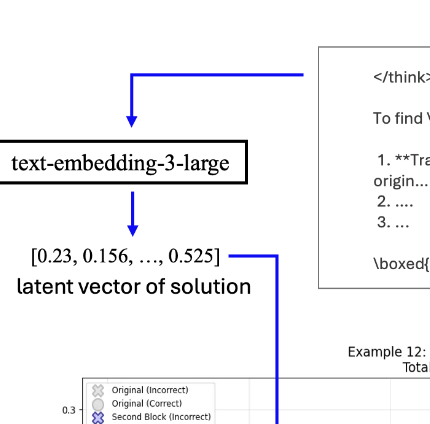
Proposes a conditional probabilistic framework for studying the importance of subthoughts in chain-of-thought reasoning.
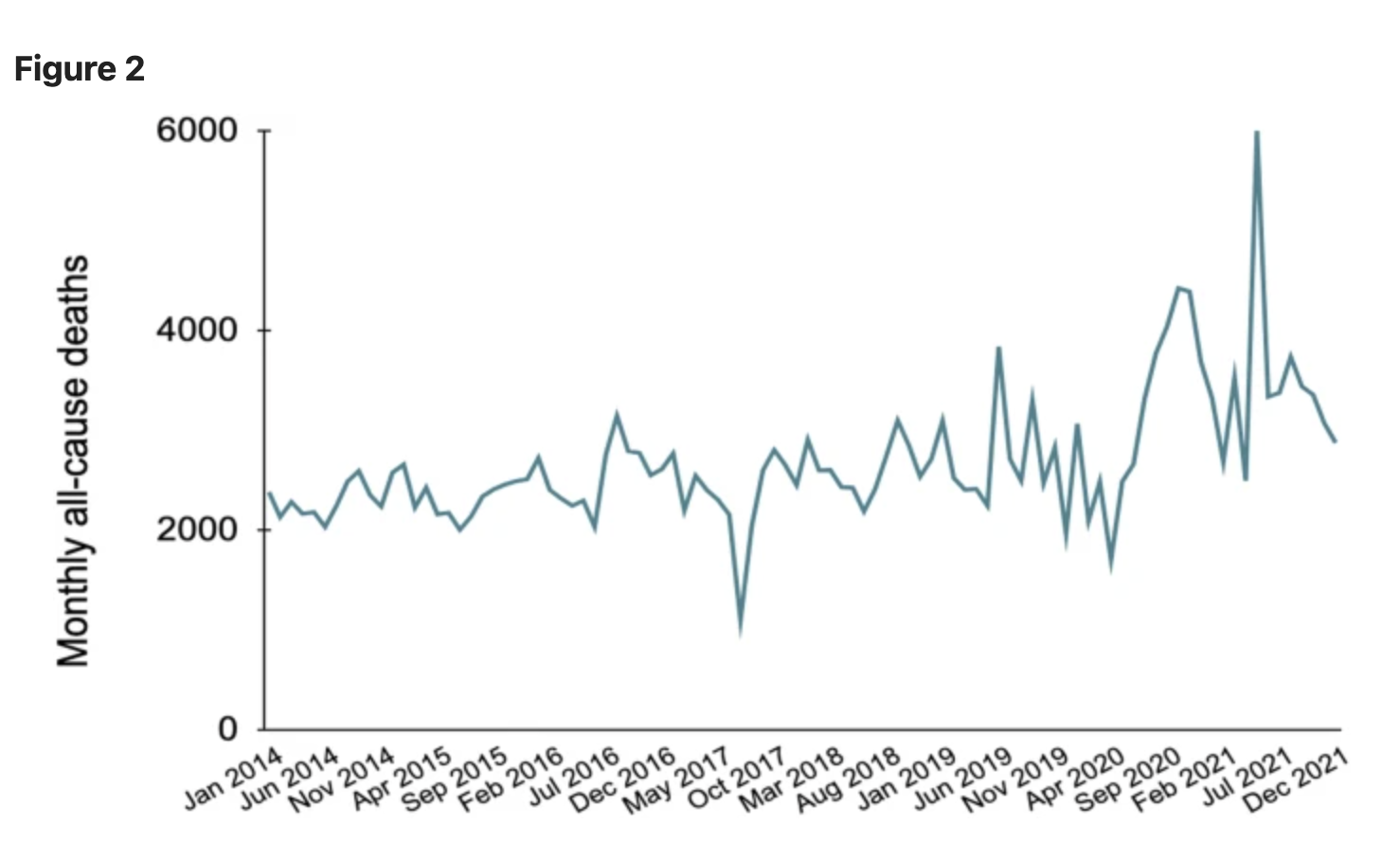
Estimates COVID-19-related mortality using deep learning and frugal statistical methods; findings were presented at the G20 Global Health Summit.
Incoming Anthropic Research Fellow through MATS 11.0.
Applied Compute
August 2026 – Present
SoTA post-training.
Roblox
Summer 2026
Public world model research; work to be submitted to NeurIPS.
 Jane Street FTTP
Spring 2026
Jane Street FTTP
Spring 2026
Highly selective 1-week Trading and Technology Program. 1 of 60 invitees out of thousands of applicants.
 SPAR
Spring 2026
SPAR
Spring 2026
Working on jailbreaks for the AI Safety stream.
CMU Robotics Department
Fall 2025
Scaling up RL post-training of Vision Language Models. Collaboration with  NVIDIA Researchers.
Improved robustness of Lowe’s AI at scale by deploying novel RLVR environments. Implemented 11+ full-stack infrastructure features in SQL, Redis, and Next.js for scalable LLM evaluation including multi-turn evals, error tracking & mitigation, and efficient guardrails. First hire.
 Iowa State University
2024
Iowa State University
2024
Built video-based deep learning models to detect and report risky driving behaviors in real-time using PyTorch & DeepStream. Algorithm deployed on 260+ highway cameras under Professor Anuj Sharma.
I create educational content explaining AI research for a general audience on @agi_atharv. 17k followers, 1M+ views.
 Refactor
 YC
YC